
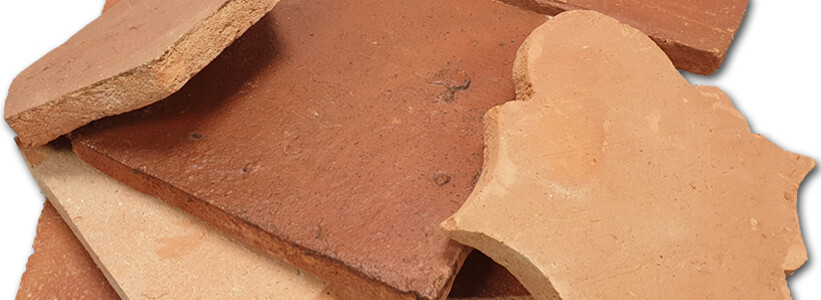
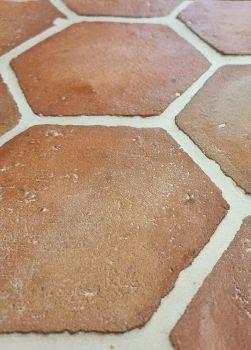
Terracotta tiles have never been so popular! Earthy and grounding, these baked clay tiles have firmly established themselves as a real staple, bringing a warm, rustic hue to all types of interiors. No longer just a go-to for country kitchens, terracotta is now sought-after for all types of property, and throughout the whole house too. And, it’s easy to see why. In addition to its aesthetic charm, terracotta is natural, durable and, in terms of footprints and paw marks, it’s very forgiving. However, terracotta is a porous material and should always be sealed before and after grouting to protect it from staining.
We’re a bit of an expert!
In response to its growing popularity, we’re getting lots of enquiries from installers and home-owners who may not have worked or lived with terracotta before and, as ‘a bit of an expert’, we’re more than happy to help!
Our own history dates back to the creation of Wellington Tile; a company founded in 1981 to import terracotta from Portugal. Recognising the need for an ageing liquid to give terracotta an antique finish, a secret brew was mixed up and branded as LTP Oldtone Oil. The terracotta was sold as Lionheart Terracotta, so the sealer – and subsequent treatments – became known as Lionheart Terracotta Products, or LTP for short.
Today, LTP Oldtone Oil is not part of our core range and is specifically manufactured for use on man-made cement-based flagstones to give them an antiqued appearance. The aged appearance for hand-made terracotta is a popular choice, but instead of using LTP Oldtone Oil we use LTP Boiled Linseed Oil and LTP Antique or Clear Wax to finish. This centuries old method of protecting terracotta is very traditional. A completely different, lighter finish can be achieved via the synthetic treatment route. Both use different LTP products and methods of application.
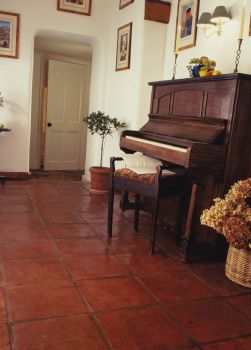
Terracotta should aways be sealed and protected before and after grouting! When sealing after grouting, always wait until the grout has firmed off and remove any residues before applying more sealer or wax.
Traditional treatment
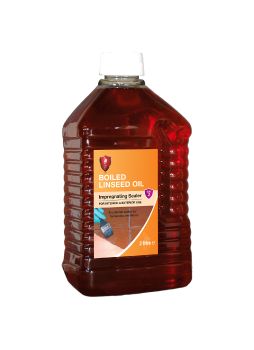
An aged, antique appearance is created by using natural oils and waxes. We recommend application of LTP Boiled Linseed Oil – a traditional pre-polish sealer – which seals the tile and enhances durability. The oil fills the pores of the terracotta and, once cured, this offers mechanical strength making the tile harder and easier to wax.
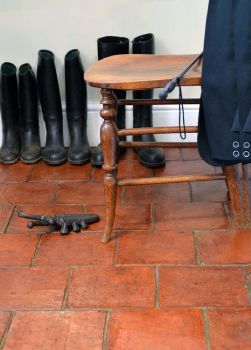
LTP Boiled Linseed Oil is applied to clean tiles with a brush until the terracotta is saturated. You should allow at least 12 hours between each coat to ensure that the oil thoroughly cures. Most terracotta will take 1-2 coats to reach saturation but some tiles, especially low fired handmade terracotta, may take more coats. The tiles should then be left to dry for at least 24 hours before finishing the surface.
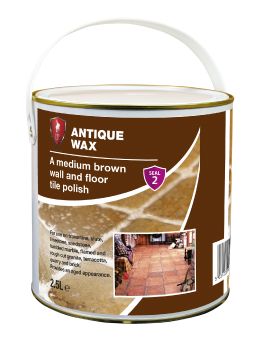
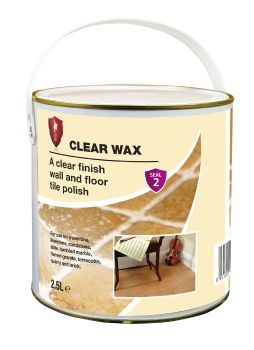
Once the tiles have been oiled, wax is applied; one coat before grouting and one after, making sure to cover the joints as well. For this we recommend either LTP Antique Wax, which has a medium brown tone for a vintage look or LTP Clear Wax if you want to retain the terracotta’s natural appearance. The wax provides a resilient protective layer against water, dust and dirt, as well as a soft sheen. Both treatments have a soft paste consistency and they’re applied with a cloth. After 15 minutes, tiles are buffed with a scrubbing brush or a mechanical buffing machine with brush attachment.
Applying a wax protection to reduce maintenance
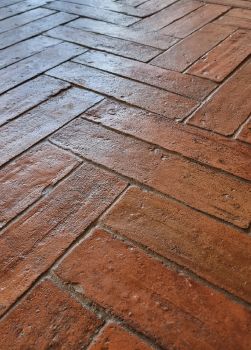
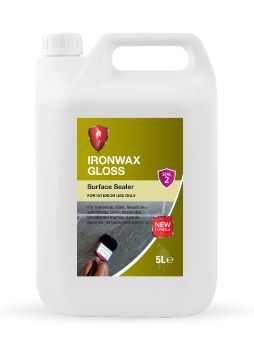
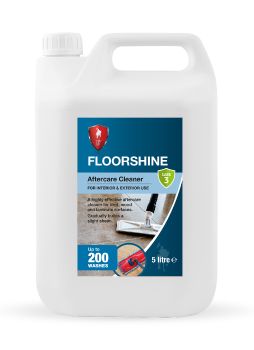
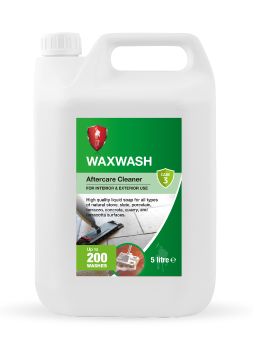
To preserve an antique look, you can apply a finishing coat of wax protector, LTP Ironwax Gloss as a final treatment stage. A surface sealer, Iron Wax Gloss contains a hardwearing metallised acrylic wax that will make surfaces easier to clean, maintain the waxed aesthetic and eliminate the need for any further wax application, for years. Tiles should then be maintained with LTP Floorshine. If Ironwax Gloss isn’t applied, we recommend maintenance with LTP Waxwash which contains a trace of linseed oil to top up the protection.
Synthetic treatment
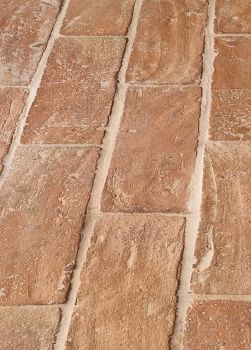
A synthetic finish is achieved with a spirit-based or water-based impregnater, followed by an acrylic wax. It’s the easier option in terms of application because the treatments are generally faster to apply, quick-drying and they create a surface seal with a degree of sheen, so no
buffing is required. However, the finish is a lighter, more contemporary one and it doesn’t create an aged aesthetic. From the LTP range, we recommend LTP Mattstone or Mattstone H20 to seal the terracotta before grouting and then after grouting, finishing with an easy to apply hard
wearing acrylic self-shine wax, LTP Ironwax Satin or LTP Ironwax Gloss.
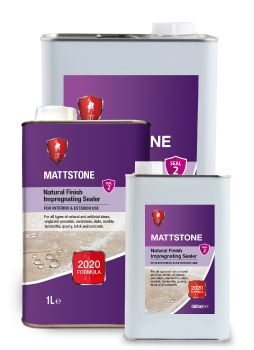
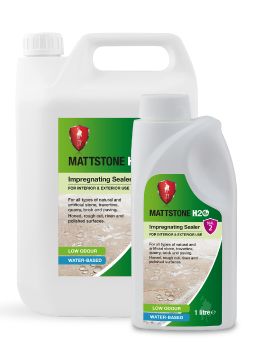
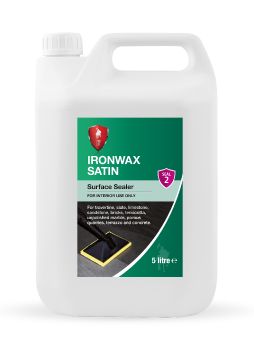
The impregnating sealer is applied using a paint brush. The first coat is normally left longer to cure (sometimes over-night) as this provides a base layer within the terracotta to apply further coats of protection at two-hourly intervals until the tile is fully saturated. After grouting and after the joint has dried and firmed off, LTP Ironwax Satin or Gloss is applied using a paint brush. Three coats are generally sufficient – with an hour between each application – but a higher sheen can be created with additional coats, up to a maximum of six.
All tiles, whether treated with Ironwax Gloss or just Ironwax Satin, should then be maintained with LTP Floorshine.
To find out more about protection and maintenance, please visit https://www.ltp-online.co.uk or contact the LTP team on tel. 01823 666213 and email [email protected]. Also, for online help on-the-go, visit LTP TV on YouTube and Product Selector at https://ltp-productguide.co.uk


