
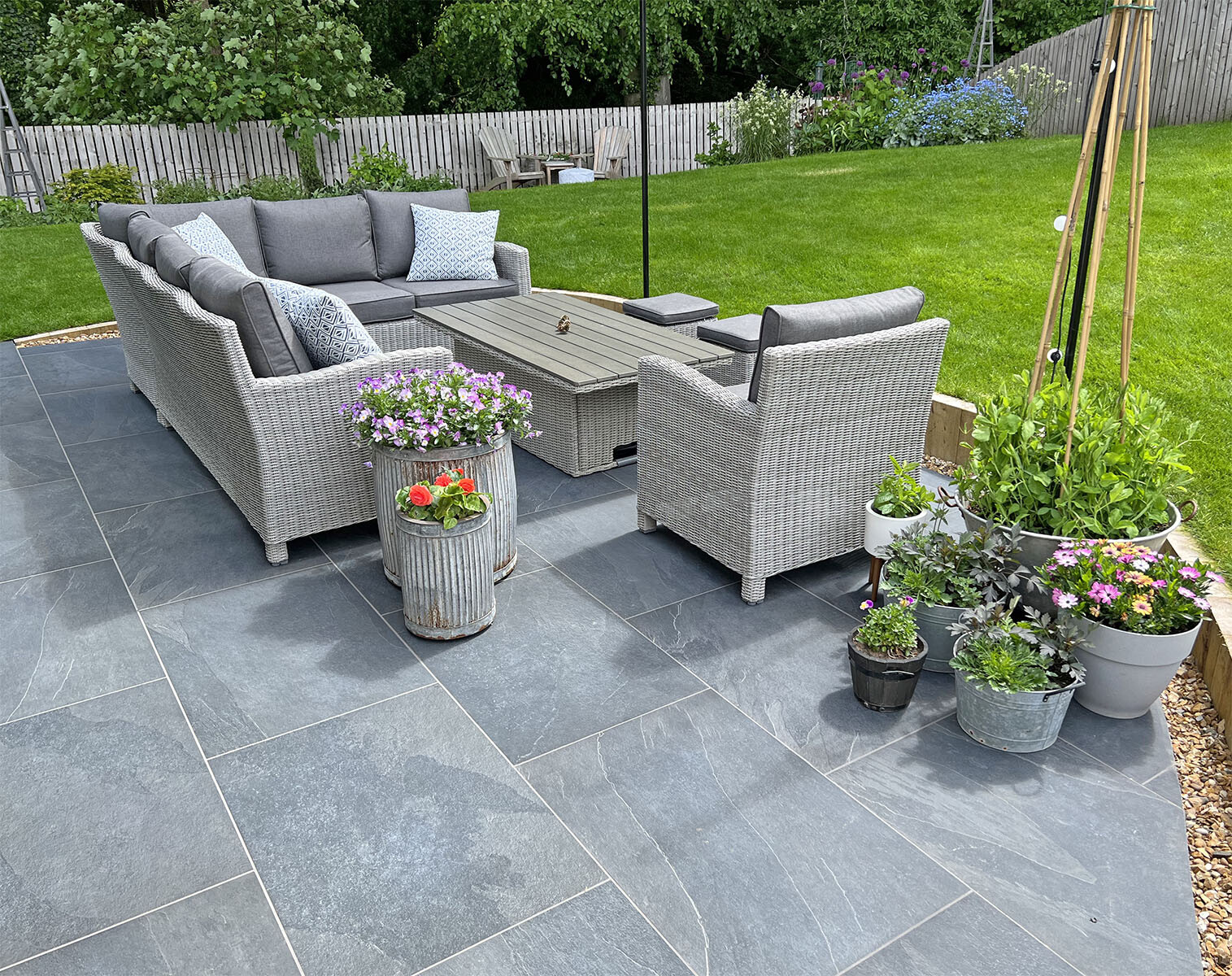
Porcelain tiles are a great option for patio installations. They’re incredibly robust, resistant to most stains and very easy to maintain. But do they need to be sealed, like stone?
As a general rule of thumb, only polished porcelain tiles need to be sealed, and these aren’t recommended for outdoor installation as they don’t provide sufficient grip underfoot. In contrast, porcelain pavers generally have a matt finish with a textured surface, so they’re a safe and practical option.
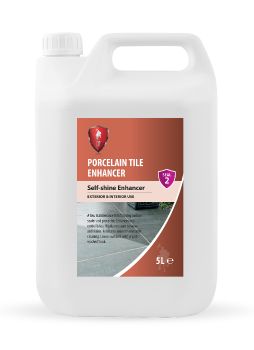
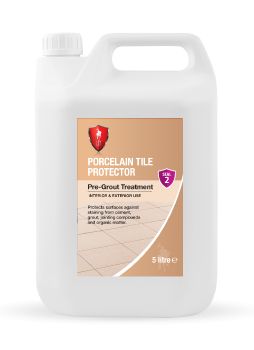
However, whilst matt porcelain tiles don’t need to be sealed, there are lots of benefits to be gained from the application of our pre-grout ‘barrier’ treatment, LTP Porcelain Tile Protector, and LTP Porcelain Tile Enhancer
THE BENEFITS OF A BARRIER TREATMENT AND ENHANCER
Tiles that have a textured surface can easily become stained by grout and installation residues, which become trapped in the tile’s high and low surface points. This is particularly common in external applications, where brush-in jointing compounds are frequently used. Once these residues build up, the texture of the tile can become congested, and the tile’s slip resistance may be reduced. Ongoing cleaning and maintenance can also become more difficult. LTP Porcelain Tile Protector will help prevent these issues.
A water-based treatment that’s applied before grouting, LTP Porcelain Tile Protector creates a barrier that protects tiles from staining and makes the removal of residues easier. It also makes installation easier, as it extends grout working times by preventing rapid moisture absorption and keeping the grout fluid for longer. A final coat after installation also makes ongoing maintenance easier.
After installation, additional protection can then be added with the application of LTP Porcelain Tile Enhancer. A water-based, PFAS-free solution, LTP Porcelain Tile Enhancer creates a ‘just washed look’ without compromising slip-resistance. As well as enhancing appearance, the finish also provides further resistance to foot traffic, wear and stains.
How to apply LTP Porcelain Tile Protector:
Before application, ensure that the surface to be treated is completely clean, dry and free from dirt, grime, cement and grout. If necessary, clean the tiles with a dilute solution of LTP Grimex Intensive Cleaner (1:5), using a white pad. Rinse well to remove residues and let the tiles dry.
Shake the bottle before use. Before grouting, apply evenly to the tile surface using a broad paint brush, foam roller or light pressure sprayer. Allow to dry for 30 minutes.
Apply a second coat. Leave to cure for a minimum of one hour before grouting or pointing.
Once grout or pointing is dry, and all residues have been removed, a further coat of protector can be applied to cover both the tile surface and joints.
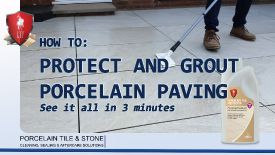
How to apply LTP Porcelain Tile Enhancer:
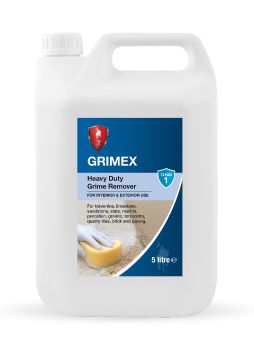
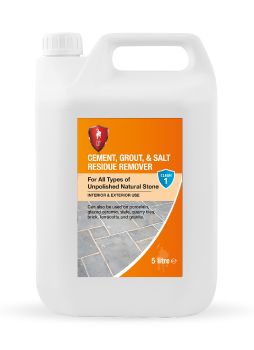
Before application, ensure that the surface to be treated is completely clean, dry and free from dirt, grime, cement and grout. If the tiles are newly laid, and were protected with LTP Porcelain Tile Protector, ensure all installation residues have been removed and the surface is completely dry before application. If tiles weren’t protected, or have been laid for some time, deep clean with LTP Grimex Intensive Cleaner. Any existing fixing residues should be removed with LTP Cement, Grout & Salt Remover.
Apply LTP Porcelain Tile Enhancer onto clean, dry tiles with a foam roller, sealant applicator pad or paint brush. Apply without rubbing until an evenly thin layer is created.
Allow to dry for one hour. For a more enhanced appearance, further coats can be applied, to a maximum of four; apply each coat at right angles to the previous coat.
The treatment will harden after approx. one hour but should be left for a further three days to achieve full hardness and become fully resistant.
For more advice on stone and tile protection and maintenance, contact LTP’s Technical Team on tel. 01823 666213, email [email protected] or visit http://www.ltp-online.co.uk


